Everything you need to settle into Manitoba’s capital, from neighbourhoods and paperwork to surviving your first winter.
Winnipeg, sometimes called “The Peg” (and, every January, “Winterpeg”), sits at the meeting point of the Red and Assiniboine rivers in the heart of the continent. It is Manitoba’s capital, its economic engine, and a city with an arts scene, food culture and community spirit that consistently surprises people who move here.
Moving to Winnipeg means trading long commutes and sky-high rents for affordability and space, but it also means planning for four very distinct seasons and getting a few practical steps done early. This guide covers everything you need to know: where to live, how to find work, healthcare, schools, getting around, and the events that make the city feel like home.
Key takeaways
- Winnipeg is a city of more than 750,000 people, with roughly a quarter of residents born outside Canada.
- It is one of the more affordable major cities in Canada, especially compared with Toronto and Vancouver.
- Winters are genuinely cold, with January highs often below −10°C, while summers are warm and sunny, with July highs around 26°C.
- Winnipeg Transit runs on a reloadable Peggo card, and the downtown skywalk keeps you indoors on the coldest days.
- Register with Manitoba Health as soon as you arrive, and switch your driver’s licence through Manitoba Public Insurance (MPI).
Hello, Winnipeg!
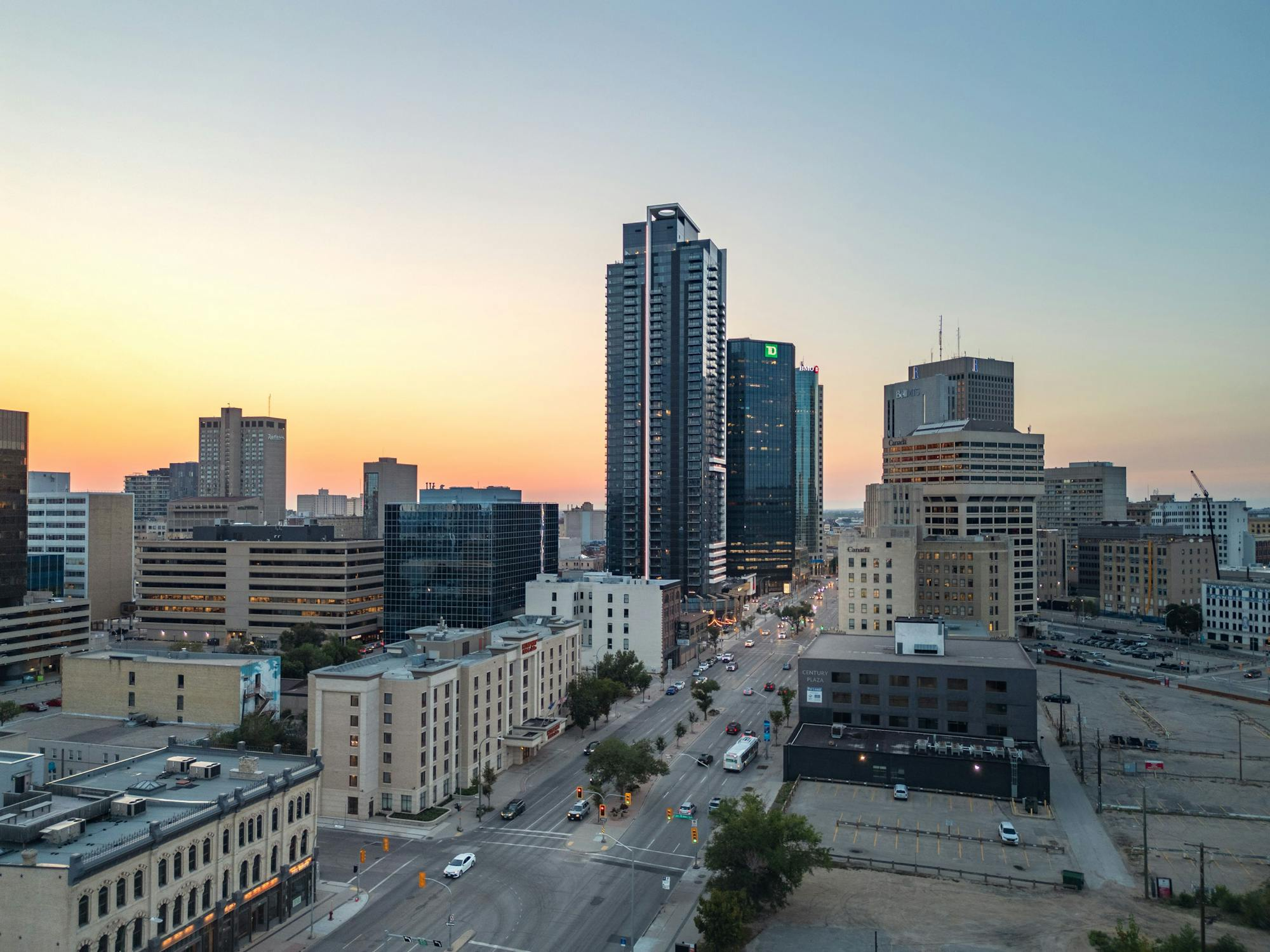
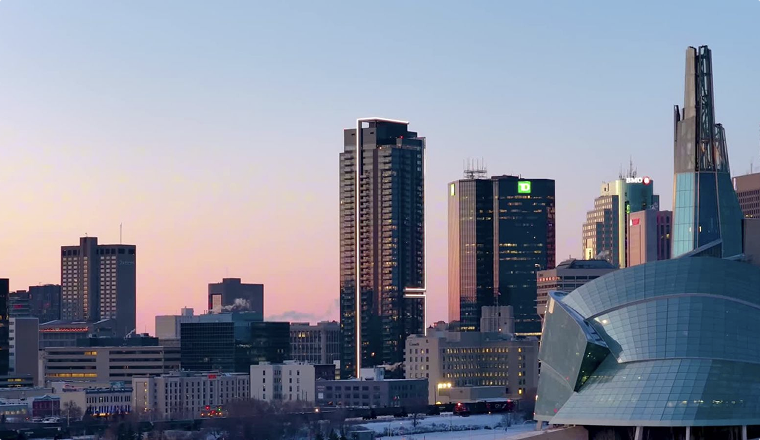
Winnipeg is located on Treaty 1 territory and the homeland of the Red River Métis, at a site that has been a gathering place for thousands of years. Today, it is a city of distinct neighbourhoods, big festivals and a lively downtown, with a metro population of more than 830,000. Tourism Winnipeg is a great place to start exploring.
A welcoming, multicultural city
Winnipeg has a long history of welcoming newcomers. It is home to one of the largest Filipino communities in Canada, a thriving Francophone community in Saint-Boniface, and families from across the globe. You will see it in the city’s restaurants, festivals and neighbourhoods, and in Folklorama, one of the world’s largest multicultural festivals.
Weather and seasonal preparedness
Winnipeg has a true continental climate. Winters are cold and dry, summers are warm and sunny, and spring and fall pass quickly. If you are moving from somewhere milder, the first winter is the biggest adjustment, but the city is built for it.
The practical takeaway: invest in a proper winter coat, insulated boots, gloves and a toque before November. Downtown, the skywalk links office towers, shops and services through enclosed walkways, so you can cross much of the core without stepping outside. Looking for ways to enjoy the cold? Start with our guide to the best toboggan hills in Winnipeg.
Finding a Place to Live in Winnipeg
Where you land will shape your first year more than almost anything else. Winnipeg’s rental market is more relaxed than in Canada’s largest cities, but the best units in popular neighbourhoods still move quickly.
Types of housing
- Apartments and condos: Popular with professionals and newcomers who want walkability, amenities and less maintenance. Downtown high-rises often include gyms, concierge and security.
- Furnished suites: A smart first step if you are relocating for work or are not ready to commit to a neighbourhood. Many come with flexible terms.
- Detached houses: Common across the city, and more affordable than in most major Canadian markets.
- Townhomes and duplexes: A middle ground, often found in established neighbourhoods.
Best neighbourhoods for newcomers
- Downtown: Close to offices, Canada Life Centre, The Forks and the skywalk. Ideal if you want to walk to work and keep a car optional.
- The Exchange District: Historic warehouse buildings, independent shops, restaurants and the heart of the arts scene.
- Osborne Village: Dense, lively and full of cafés, just across the Assiniboine River from downtown.
- Saint-Boniface: Winnipeg’s French quarter, with riverside paths and a strong community feel.
- Wolseley and River Heights: Leafy, established and popular with families.
- Suburban areas: Neighbourhoods like Bridgwater, Sage Creek and Charleswood offer newer, larger homes for families.
When you do not know a city yet, living somewhere central makes it feel smaller and easier to learn. The less time you spend commuting, the faster Winnipeg starts to feel like home.
The rental process
Most rentals in Winnipeg use a one-year lease, though furnished suites and some downtown buildings offer shorter, flexible terms. Expect to provide proof of income, references and sometimes a credit check, which can be tricky before you have a Canadian credit history. Manitoba’s Residential Tenancies Branch sets the rules for deposits, rent increases and tenant rights, so it is worth a read before you sign.
Buying property
Winnipeg’s housing prices remain lower than in most major Canadian cities, which makes buying a realistic goal for many newcomers. Rent first while you get to know the city, then work with a local realtor who understands the neighbourhoods.
Employment and Work Culture
For many people, moving to Winnipeg starts with a job offer. The city has one of the most diversified economies in Canada, which helps keep it steady when individual industries go through ups and downs.
Job market overview
Key sectors include finance and insurance, healthcare, aerospace and advanced manufacturing, transportation and logistics, agribusiness, and the public sector. Winnipeg is also home to major head offices, including Canada Life, Wawanesa, New Flyer and Richardson International, along with Crown corporations like Manitoba Hydro and Manitoba Public Insurance.
Job search tips
- Network: Winnipeg is famously well connected. Attend industry events, join professional associations and use LinkedIn.
- Job boards: Indeed, LinkedIn and the Government of Canada’s Job Bank are good places to start.
- Newcomer employment services: Organizations like Manitoba Start help newcomers with job search, credentials and connecting with employers.
Work culture
Winnipeg workplaces tend to be friendly, collaborative and grounded, with a strong emphasis on work-life balance. Punctuality matters, and people value straightforward communication. Expect plenty of small talk about the weather.
Immigration and Legal Requirements
If you are moving to Winnipeg from outside Canada, you will need the right status to work, such as an employer-specific or open work permit. For those planning to stay, pathways like Express Entry and the Manitoba Provincial Nominee Program can lead to permanent residency.
Two things newcomers often overlook are credential recognition, since some professions require foreign qualifications to be assessed before you can practise, and getting paperwork done early. Rules change and depend on your situation, so speak with a licensed immigration consultant or lawyer rather than guessing.
Education and Schools
Public schools
Winnipeg’s public schools are run by several school divisions, including Winnipeg School Division, Pembina Trails, Louis Riel and Seven Oaks. Public school is free for residents, and French immersion programs are widely available. The Division scolaire franco-manitobaine offers French-language education across the city.
Private and independent schools
Winnipeg also has a range of independent and faith-based schools, many with smaller class sizes or specialized programs.
Post-secondary education
The city is home to the University of Manitoba, the University of Winnipeg, the Université de Saint-Boniface, Red River College Polytechnic and Canadian Mennonite University, offering programs from trades to graduate studies.
Healthcare in Winnipeg
Health coverage
Manitoba’s public health insurance covers doctor visits, hospital stays and many medical services. Register with Manitoba Health for your health card as soon as you arrive. When coverage begins depends on where you are moving from, so arrange private insurance if there is a gap.
Finding a doctor
Once you are registered, Manitoba’s Family Doctor Finder program can help connect you with a family doctor or nurse practitioner. Walk-in clinics are common across the city in the meantime, and Health Links – Info Santé offers 24/7 advice from registered nurses by phone.
Hospitals and clinics
Winnipeg’s major hospitals include Health Sciences Centre, Manitoba’s largest hospital, and St. Boniface Hospital, along with community hospitals and urgent care centres across the city.
Getting Around Winnipeg
Public transportation
- Winnipeg Transit: Buses connect neighbourhoods across the city, and a reloadable Peggo card is the easiest way to pay your fare.
- The skywalk: Downtown’s enclosed walkway network links office towers, shops and services, which is a lifesaver in January.
- Winnipeg Richardson International Airport: About 15 minutes from downtown, with connections across Canada and the U.S.
Cycling
Bike lanes and riverside trails make cycling a great way to get around from spring through fall, and the city’s active transportation network keeps growing.
Driving
Winnipeg is an easy city to drive, with manageable traffic compared with larger cities. Manitoba Public Insurance handles both driver licensing and vehicle insurance, and new residents need to switch over their licence and registration within a set period, so check MPI’s requirements early. Winter tires and a block heater are worth it.
Key Winnipeg Events Through the Year
One of the fastest ways to feel at home is to show up for the city’s big moments. Here is what to put on your calendar:
| When | Event | What it is |
|---|---|---|
| February | Festival du Voyageur | Western Canada’s largest winter festival, in Saint-Boniface |
| June | TD Winnipeg International Jazz Festival | Concerts across downtown |
| July | Winnipeg Folk Festival | Four days of music at Birds Hill Provincial Park |
| July | Winnipeg Fringe Theatre Festival | Hundreds of shows in the Exchange District |
| August | Folklorama | Two weeks of cultural pavilions across the city |
| September | Nuit Blanche | A free night of contemporary art downtown |
| October–April | Winnipeg Jets season | Home games at Canada Life Centre |
| November | Santa Claus Parade | Starts at Portage and Main |
| December–January | Canad Inns Winter Wonderland | Holiday lights and winter fun |
Dates change every year, so check each event’s website before you plan. For more seasonal ideas, read our Fall Bucket List and Summer in the City guides.
Make the Move to Winnipeg with 300 Main

Moving to Winnipeg is a big step, but it is a rewarding one: an affordable, friendly city with real culture and room to grow. The easiest way to start is to land somewhere central while you get to know it.
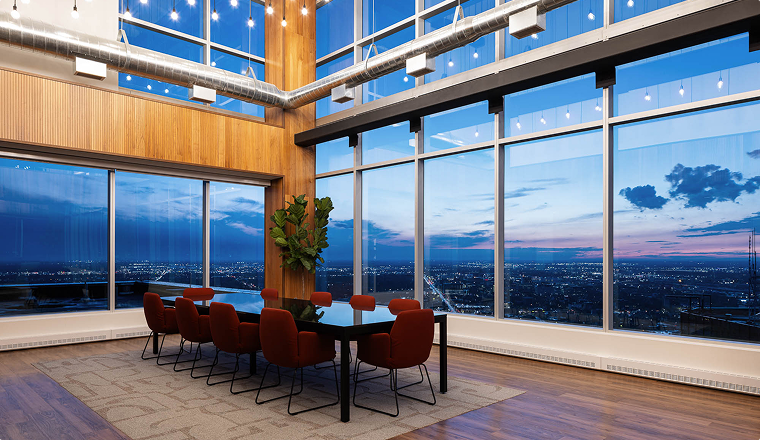
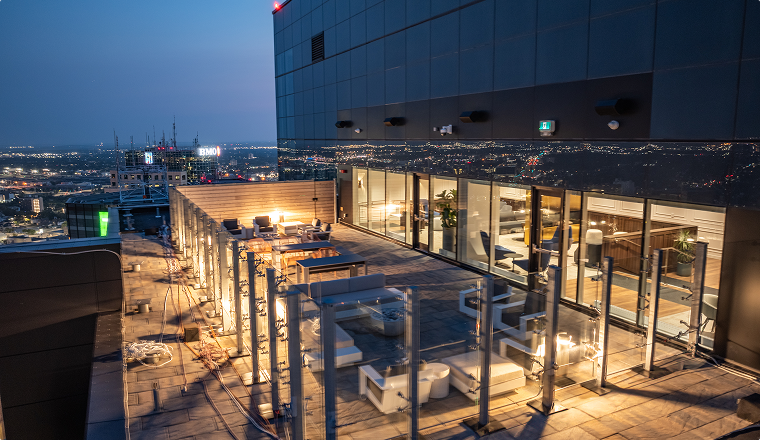
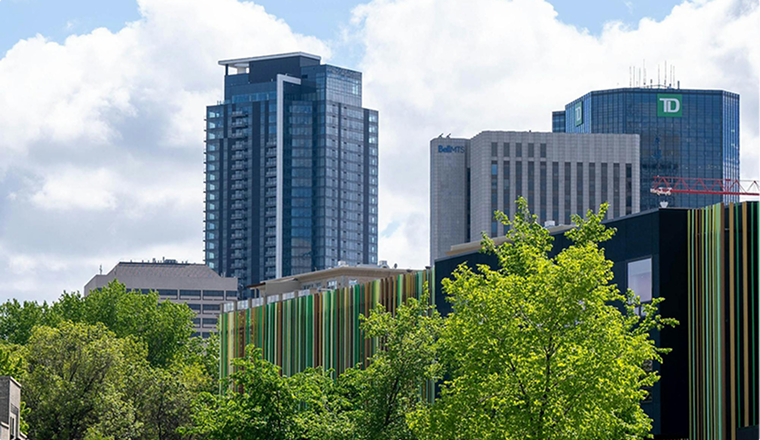
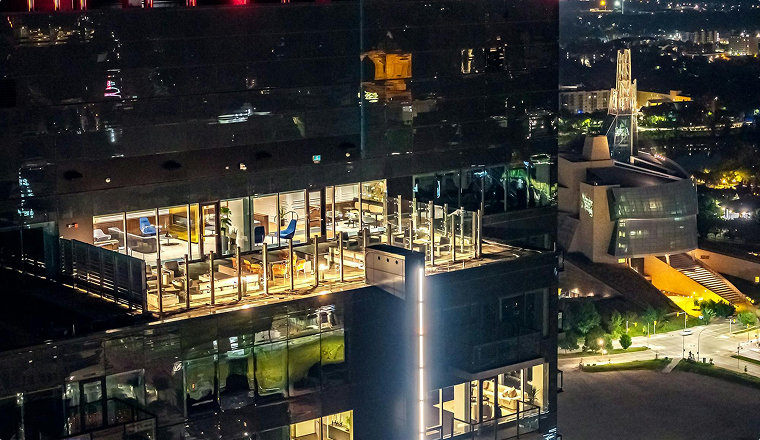
300 Main is Manitoba’s tallest residential building, one block from Portage and Main and connected directly to Winnipeg Square and the skywalk. Residents have an on-site concierge, GoodLife Fitness and Earls in the building, FORTY, a 40th floor lounge with coworking space, and fully furnished suites with flexible terms for shorter stays.
Fully furnished suites with flexible terms in downtown Winnipeg. Book a private tour →
Frequently Asked Questions
Are people in Winnipeg really that friendly?
Yes, and it is not just a slogan, even though “Friendly Manitoba” spent years on the province’s licence plates. Winnipeggers are known for chatting with strangers at bus stops, helping push cars out of snowbanks and inviting new coworkers to the cabin. Say yes to invitations, volunteer at a festival, and you will be surprised how quickly the city starts to feel like home.
How cold does Winnipeg get?
January is the coldest month, and temperatures regularly drop well below −20°C with wind chill. The city is built for it, with plug-ins, the skywalk and plenty to do indoors.
Do I need a car in Winnipeg?
Not if you live centrally. Many downtown residents walk, use transit and rent a car for weekend trips. If you live in the suburbs, a car makes life easier.